
Paediatric ADHD Nutritionist
Supporting mood and behaviour in ADHD kids
You've tried everything — and your child is still struggling with big emotions, broken sleep, and behaviour that has you stumped and everyone exhausted. Biochemical reasons can make this worse- which means you can change them.
Goulburn NSW | Australia Wide | Telehealth
Build calmer and happier kids
18 years clinical experience
Certified Practicing Nutritionist (CPN) and Herbalist
Feeling stuck but not knowing why?
The meltdowns that come from nowhere. The bedtime battles that go on for hours. The defiance, the aggression, the tears (yours and theirs).
You've tried reward charts. You've cut out sugar. You've followed the advice online and in the books. You may even be navigating medication. And yet the difficult behaviour is still there, still straining your family, still making you question whether you're doing enough.
In Ruth Fellowes' experience as both a parent and clinician, you're not failing your child. You're just not being told enough about the critical piece of the puzzle- the impact of nutrition on your child's capacity.
"Your child is not broken. Their brain is not broken. But right now, there are a lot of internal physical roadblocks getting in the way — and you can find out exactly what they are." Ruth Fellowes CPN
Where the typical strategies can fall short.
Behaviour is more than a neurodevelopmental or parenting problem.
It's also the outward sign of a brain and body working under strain because they don't have the right nutritional resources to function well.
When a child struggles with focus, emotional regulation, sleep or mood, the answer often lies deeper than behaviour management.
It lies in what's happening inside the body:
Neurotransmitter imbalances affecting mood and impulse control
Nutrient deficiencies that limit the brain's ability to stay calm and focused
Gut health issues disrupting the gut-brain connection
Food intolerances driving inflammation and behaviour spikes
Genetic differences that mean your child needs more of certain nutrients than average
Working together to find your real child again
Strategy Call
Free 20 min phone call to give you the certainty of which direction to go with for your child.
Program Options
All programs build on functional testing to give you a solid foundation and clarity on what your child needs to think, move and feel better.
Maintain Progress
Maintain progress and deal with developmental and life changes as they happen with ongoing support through a monthly membership.
Taking a biological approach makes the difference.
Families who work with Ruth Fellowes typically see:
Calmer moods and fewer meltdowns
Better sleep- falling asleep faster and staying asleep
Improved focus and engagement at school
Less aggression and defiance at home
A child who feels better in their own skin
Families often tell me the biggest shift isn’t just physical - it’s the relief of finally having someone connect the dots and create a plan that makes sense.
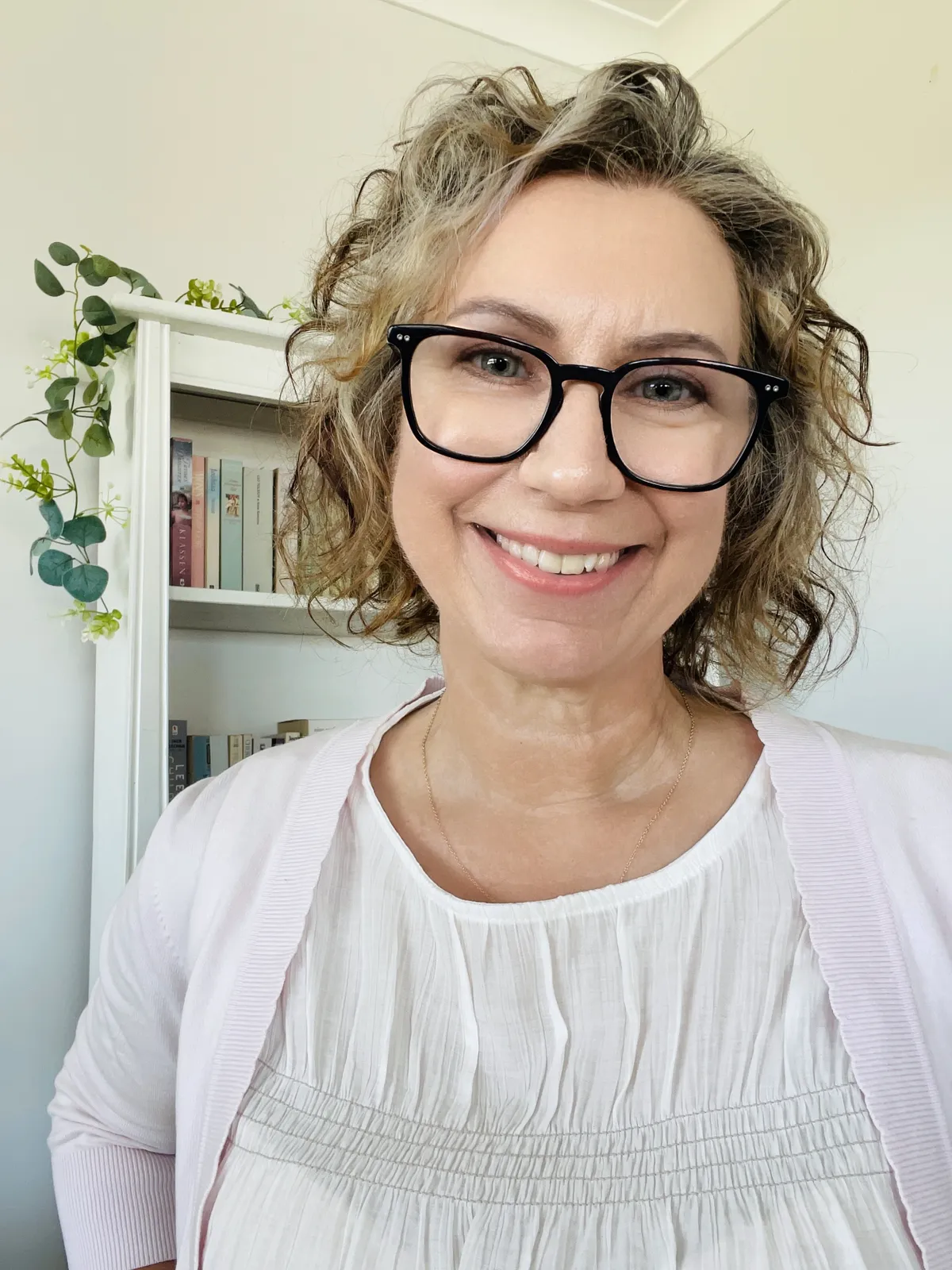
Hi, I’m Ruth Fellowes
As a boy mum of 4 I understand first-hand the strain that difficult moods and behaviour can place on a family. I know how isolating it feels when everyone else's strategies don't work for your child — and how frustrating it is to not know why.
That personal experience, combined with 18 years of clinical work in food intolerances, gut-brain health, nutrient needs and childhood behaviour, means I bring something most practitioners can't: both the empathy and the science.
Certified Practicing Nutritionist | BHSc | MPH|Adv Dip Nutritional Medicine | Adv Dip WHM | SOS Feeding Therapist.
Your food and mood expert.
Based in Goulburn NSW. Supporting families across Australia.
The 3 Step Brain & Body Reset.
Most approaches to childhood ADHD focus on adding things — a supplement, a diet change, a new routine.
That's only one third of the picture.
In close to 2 decades of work, Ruth Fellowes has refined a three-part framework that looks at the whole biochemical picture — not just what your child needs more of, but what might be actively blocking progress, and what needs to come back into balance.
What needs to come in
The nutrients, dietary building blocks, and targeted supplementation your child's brain and body are genuinely short of — identified through functional testing, dietary assessment, and where relevant, genetic analysis.
What needs to come out
Food intolerances — including salicylates, amines, and glutamates, not just gluten and dairy — and dietary additives that interfere with neurological function, gut health, sleep, and behaviour. I am trained in the RPAH Elimination Diet, the gold-standard clinical approach to identifying food chemical sensitivity in children.
What needs to be balanced
Stress physiology, sleep onset and quality, gut-brain connection, and mood and attention regulation — supported through nutrition, herbal medicine, and where appropriate, targeted amino acid therapy..
Frequently Asked Questions
Can nutrition really make a difference to ADHD behaviour in children?
Yes - often significantly. When we address the underlying nutritional and biochemical drivers (rather than managing surface behaviours), families typically report calmer moods, better sleep, improved focus and fewer behavioural spikes. The difference is that we're strengthening the systems that regulate behaviour, not just responding to it.
Does my child need to completely change their diet?
Not necessarily. A diet rich in protein, vegetables, fruit, healthy fats and wholegrains supports brain function well. But even children who eat well can still have challenging behaviour due to food intolerances, poor nutrient absorption from stress, or genetic differences that increase their nutritional needs. That's why a personalised, tested approach gives far better results than general dietary advice.
What natural approaches support focus and attention in kids?
Key nutrients like zinc, magnesium, iron and omega-3s play a direct role in how well a child's brain can focus and regulate attention. Addressing gut health, understanding your child's unique DNA ability to process nutrients, reducing inflammatory foods, and identifying individual intolerances can also make a significant difference. The most effective approach however always starts with understanding your child's specific nutritional gaps rather than following a stock protocol.
Will this framework suit kids without a formal ADHD diagnosis?
Absolutely. Many children struggle with focus, emotional regulation, sleep or behaviour without ever receiving a formal diagnosis — and the underlying nutritional drivers are often the same. If your child is clearly not thriving, that's reason enough to look deeper. A diagnosis tells you what, but biochemistry helps explain why.
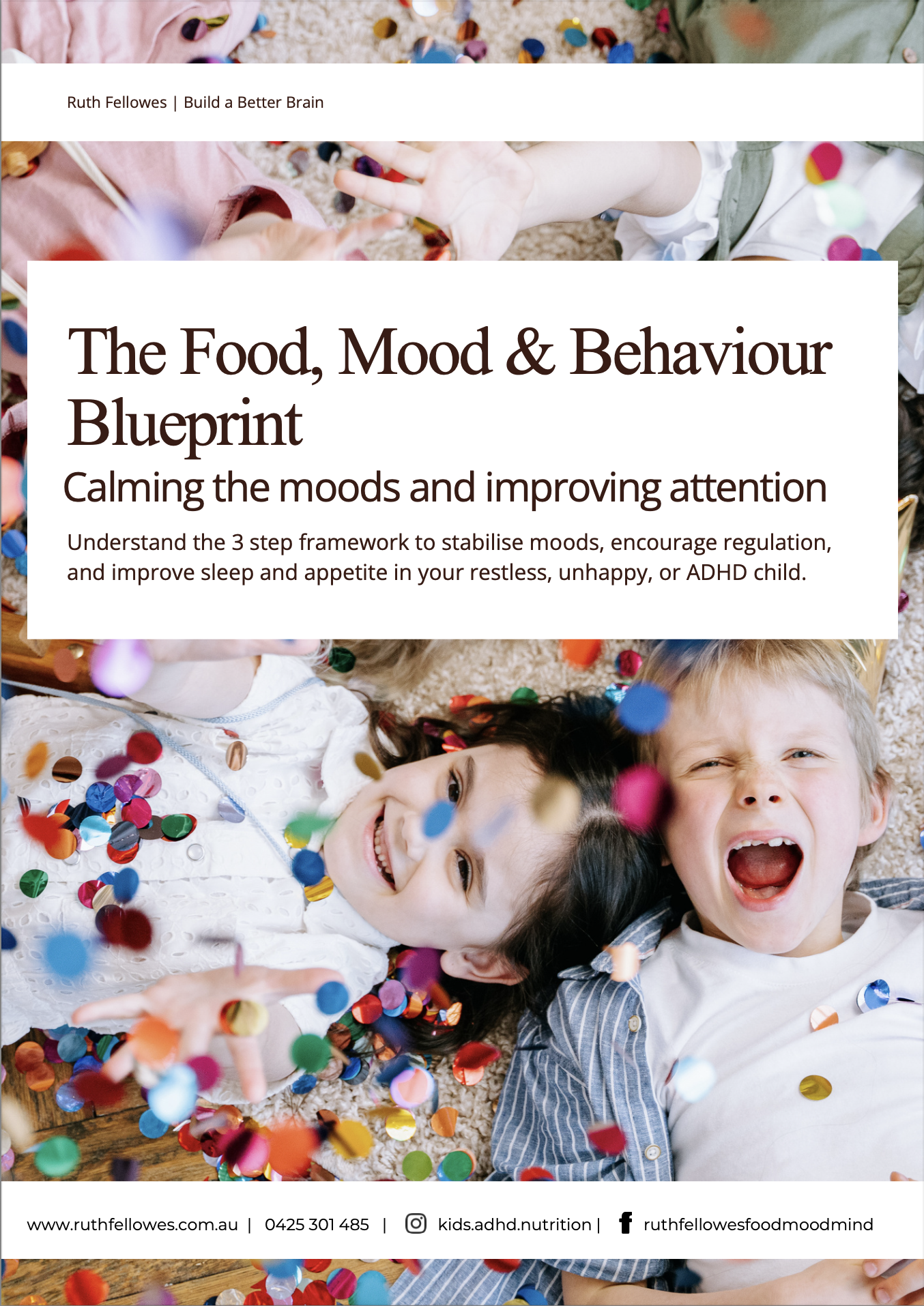
free download
The Food, Mood & Behaviour Blueprint
Calming the moods and improving attention through nutrition.
Understand the 3 step framework to stabilise moods, encourage regulation and improve sleep and appetite in your ADHD, or restless or unhappy child
A 15-page guide outlining What Needs to Come In, What Needs to Come Out, and What Needs to Be Balanced
Outlines the exact framework Ruth Fellowes uses with all kids to get results.
Let’s Begin with a Conversation
If your child's behaviour is putting your family under strain, you don't have to keep guessing. Understanding their unique biochemistry could change everything — for them, and for you.
A free 20-minute strategy call is the best place to start.
Let's talk about what's happening with your child and find their best next step
QUICK LINKS
LEGAL


© Copyright 2026. Ruth Fellowes | Natural Spectrum Health. All Rights Reserved.